 EN
The Revival of Structural Elegance in Modern Design
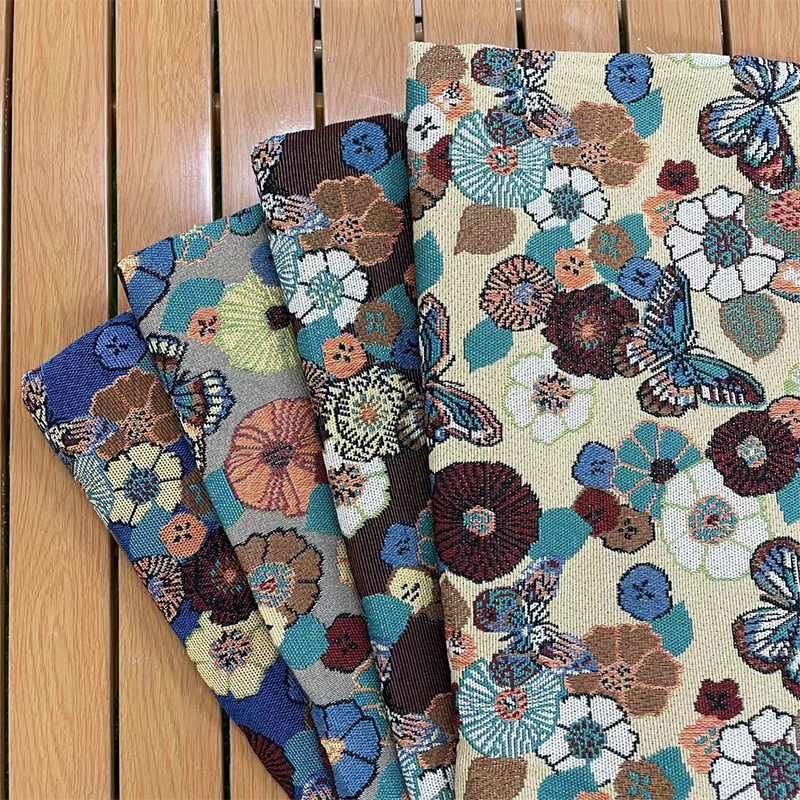
Working closely with interior architects, global textile curators, and high-end fashion brands over the years reveals how interior and apparel trends often fade almost as quickly as they emerge. Yet, one textile consistently retains its undisputed status as the absolute pinnacle of sophistication, durability, and timeless aesthetic appeal: jacquard fabric. Unlike standard printed textiles that merely coat a fiber surface with superficial pigment, true jacquard weaves intricate, multi-layered patterns directly into the warp and weft matrix during the manufacturing process itself. In luxury hospitality curation for international hotel chains, conventional printed fabrics frequently lose their chromatic vibrancy, surface texture, and structural depth under harsh commercial lighting conditions and aggressive daily cleaning regimens. Transitioning high-end hospitality projects to premium woven jacquard instantly and permanently transforms the tactile warmth and visual grandeur of interior environments. According to renowned textile historians and material anthropologists, the integration of advanced multi-axial weaving techniques in modern computerized jacquard looms allows structural integrity to coexist seamlessly with high-definition aesthetic complexity, a technical feat simply unattainable through standard surface printing or dyeing methods. This enduring material gracefully bridges heritage craftsmanship and futuristic design possibilities, making it an indispensable strategic asset for contemporary creators, interior architects, and forward-thinking fashion brands seeking to establish a lasting legacy of quality and elegance.
How Advanced Weaving Redefined Complexity
Appreciating the enduring value of jacquard fabric requires understanding the brilliant engineering marvel and historical evolution behind its creation. Invented during the early industrial revolution, the revolutionary loom transformed global textile production by utilizing interchangeable mechanical mechanisms to control individual warp threads independently. Today, sophisticated digital computer-aided design systems have entirely replaced traditional methods, allowing for infinite mathematical complexity, breathtaking geometric precision, and organic pattern generation. From a purely technical standpoint, the complex interlacing of diverse, high-performance fibers—such as organic mulberry silk, mercerized long-staple cotton, certified recycled polyester, and delicate metallic blends—creates a robust, multidimensional surface that naturally resists physical wear, fraying, and environmental degradation. Comprehensive textile engineering insights from international trade federations explicitly highlight that woven jacquard fabrics consistently exhibit superior tensile strength, dimensional stability, and exceptional colorfastness compared to piece-dyed or surface-printed textile counterparts. Because the intricate design is structurally locked deep into the fabric matrix rather than resting on top, the material maintains its rich chromatic depth, tactile richness, and structural integrity even after years of continuous friction, heavy mechanical stress, and intense environmental exposure.
Commercial Value and Interior Architecture Applications
In the demanding world of commercial interior architecture, the careful selection of architectural textiles dictates both spatial luxury and long-term asset value for property owners and investors. When outfitting upscale boutique hotels, corporate headquarters, executive boardrooms, or multi-million-dollar luxury residential spaces, interior designers require materials that can effortlessly balance aesthetic grandeur with rigorous functional performance and safety standards. Jacquard fabric excels remarkably in these high-stakes, high-traffic commercial environments. Because of its dense structural weave, substantial weight, and inherent mechanical stability, high-end jacquard serves brilliantly as opulent heavy drapery, sophisticated acoustic wall paneling, heavy-duty upholstery, and architectural room dividers. From a strict commercial perspective, investing in premium-grade jacquard significantly reduces lifecycle operational costs; exceptional durability minimizes the frequency of costly replacements required in busy hospitality settings. Furthermore, contemporary interior designers frequently leverage custom-designed jacquard fabrics to convey a unique corporate brand identity, embedding subtle company motifs, regional artistic heritage elements, or custom corporate color palettes directly into the architectural textiles, thereby creating immersive, highly personalized environments that resonate deeply with discerning global clientele.
Crafting Identity Through Texture
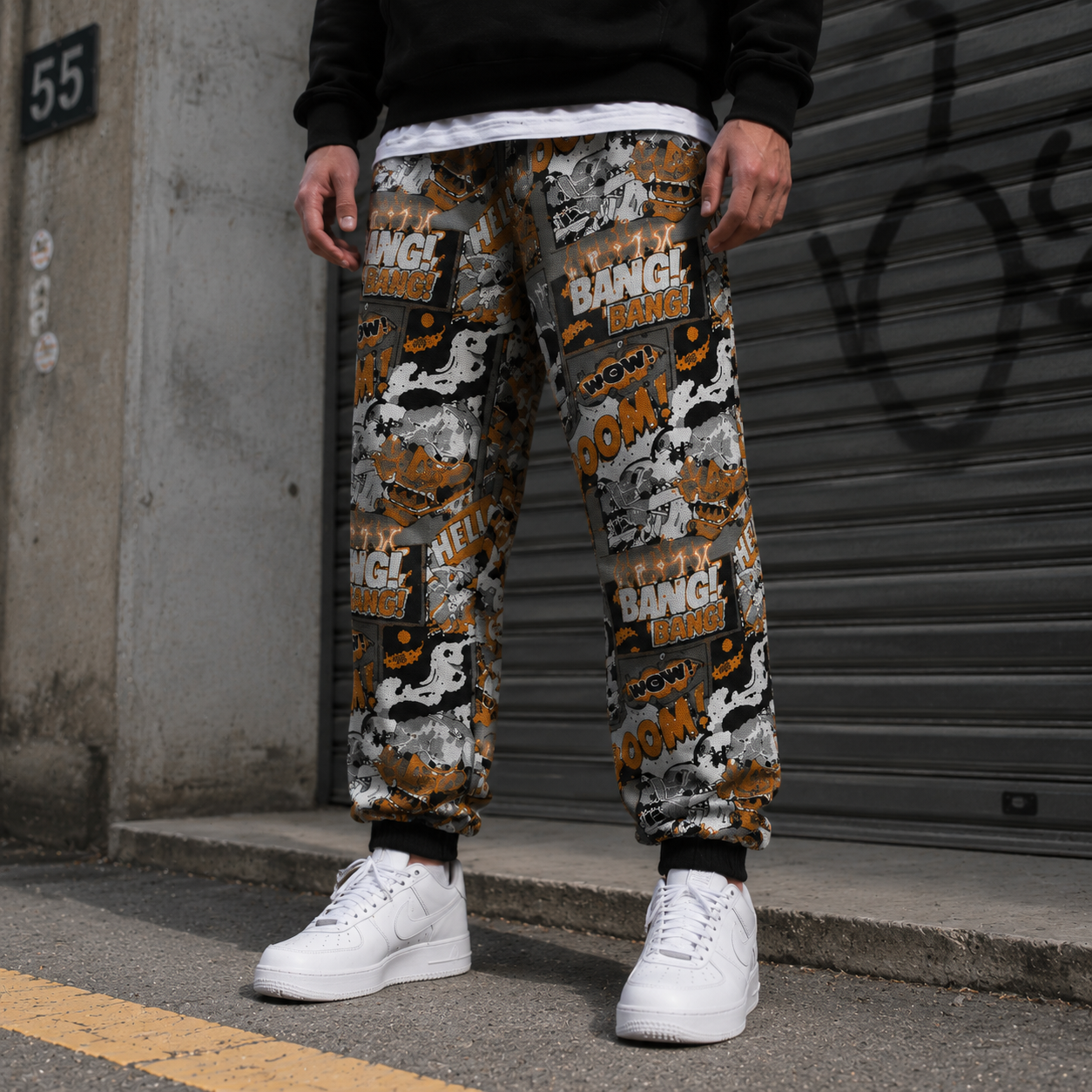
Beyond static interior and architectural spaces, jacquard fabric remains an absolute cornerstone of haute couture, ready-to-wear collections, and avant-garde fashion design. Modern fashion designers frequently struggle to source fabrics that offer both sculptural rigidity to hold architectural silhouettes and fluid, organic drape for everyday comfort. Jacquard provides the perfect, harmonious solution to this perennial design dilemma. By meticulously manipulating yarn tension, twist levels, and diverse fiber combinations during the specialized weaving process, textile engineers can produce fabrics that hold striking structural shapes—such as tailored structured jackets, voluminous skirts, and sculpted corsets—while remaining breathable, flexible, and exceptionally comfortable against the wearer's skin. Noted fashion theorists and cultural critics observe that jacquard allows modern garments to tell a deeply emotional story through interplay of shadow and light, giving fabric a distinct sculptural quality that shifts dynamically with every movement of the wearer. In an era currently dominated by fast fashion and flat, disposable digital prints, the tactile richness, physical depth, and historical weight of jacquard offer modern consumers an authentic sensory connection, turning everyday apparel into true wearable art that emphasizes individuality, sustainability, and enduring craftsmanship.
Supply Chain Excellence and Sustainable Innovation
In today’s hyper-connected, globalized market, modern conscious consumers, regulatory bodies, and business procurement partners demand absolute transparency, ethical labor sourcing, and rigorous environmental sustainability from supply chains. The industrial production of jacquard fabric has evolved significantly over the past decade to meet strict ecological standards without compromising on quality or aesthetics. By utilizing advanced closed-loop water recycling systems, certified organic non-toxic dyes, and innovative recycled post-consumer yarns, top-tier textile weavers minimize overall environmental footprint while maintaining peak fabric performance. Transparent supply chain management ensures that every single yard of jacquard fabric delivered to clients meets strict international compliance regarding ethical labor practices, chemical safety, and ecological preservation. This steadfast commitment to sustainability not only protects the delicate global ecosystem but also empowers international brands to market textile collections with complete integrity, satisfying the sophisticated, eco-conscious expectations of modern consumers across diverse cultural landscapes and regulatory jurisdictions.
Tailored Manufacturing Solutions for Global Brands
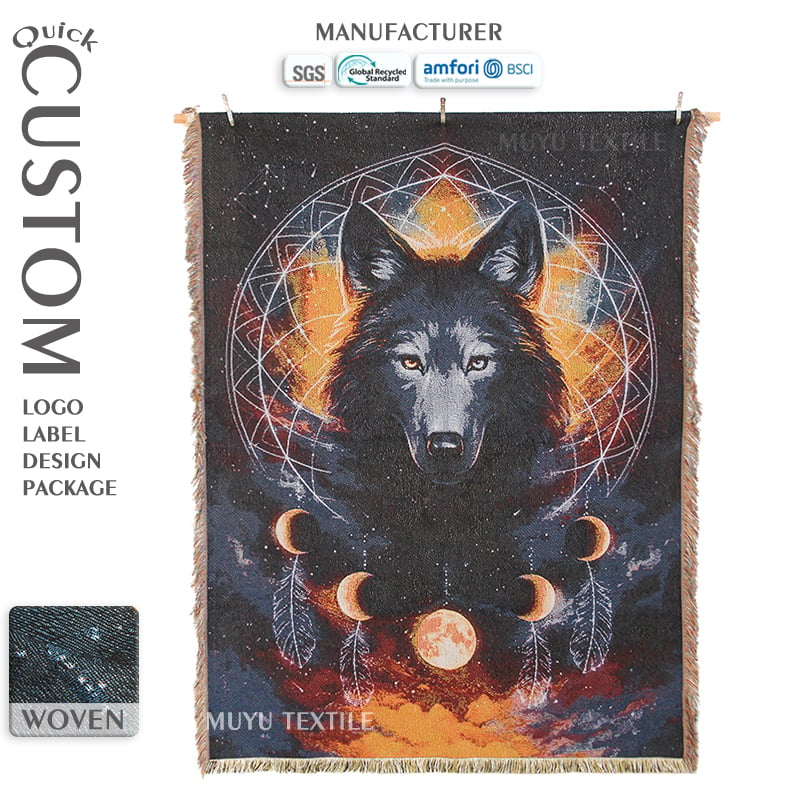
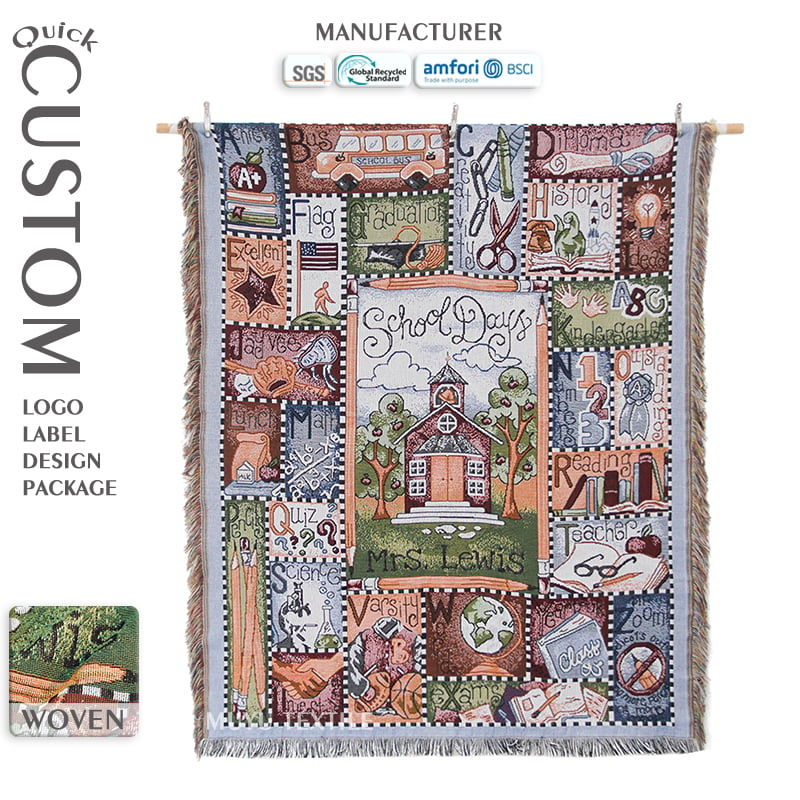
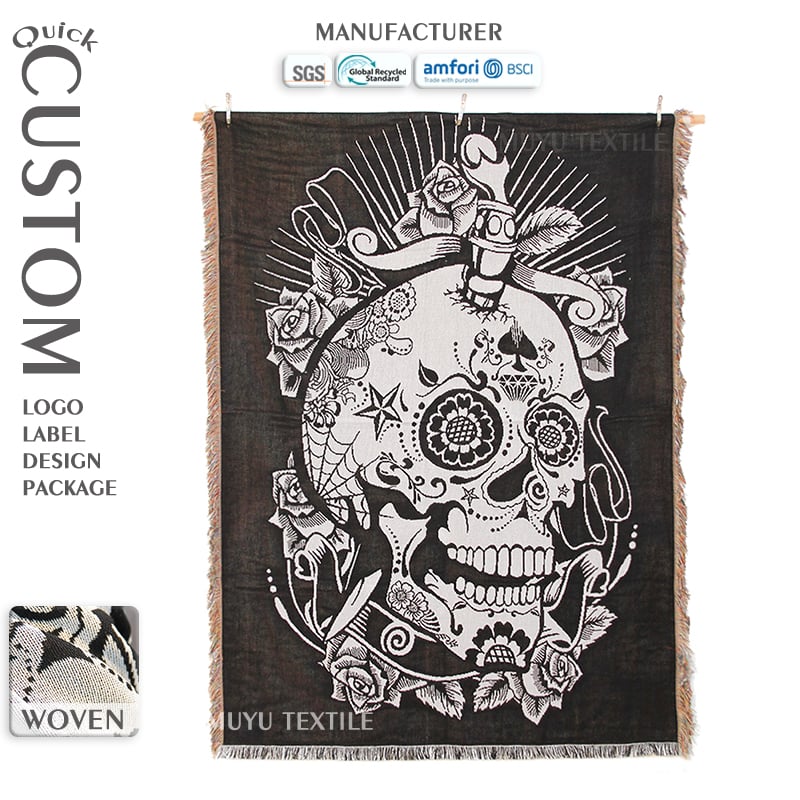
Realizing complex, ambitious design visions requires far more than just brilliant artistic inspiration; it demands an elite manufacturing partner equipped with profound technical expertise, cutting-edge machinery, and robust supply chain execution capabilities. Muyu seamlessly combines decades of advanced textile weaving mastery with state-of-the-art computerized jacquard looms to bring ambitious design concepts vividly to life. Whether developing high-performance commercial upholstery, bespoke luxury draperies, or innovative, trend-setting fashion collections, dedicated manufacturing infrastructure ensures exceptional dimensional precision, stringent quality control protocols, and highly scalable production capabilities. By establishing a strategic partnership with Muyu, global interior designers, apparel brands, and textile distributors gain direct access to tailored technical support, flexible order volumes, and an unwavering commitment to sustainable textile innovation. Muyu helps transform extraordinary design concepts into tangible, market-leading realities that captivate global audiences.
 Hot News