
 EN
The Environmental Imperative of Reusable Carry Solutions and Sustainable Packaging
Evaluating daily consumer habits, retail merchandising strategies, and institutional supply chains within modern metropolitan environments reveals an urgent, undeniable need to reexamine the widespread, casual reliance on single-use plastic carrier bags. Comprehensive environmental assessments and municipal waste audits across diverse global regions highlight the staggering ecological burden imposed by lightweight polyethylene shopping bags discarded annually into municipal waste streams, open landfills, and delicate natural habitats. These single-use items fragment slowly over time into persistent microplastics, contaminating marine ecosystems, clogging vital waterways, and silently infiltrating terrestrial food webs worldwide. Transitioning toward durable fabric shopping bags represents a fundamental, highly necessary shift in sustainable consumerism, effectively reducing corporate carbon footprints, conserving valuable petroleum resources, and eliminating needless daily waste generation at the consumer level. When conscious shoppers, progressive retailers, and corporate brands choose alternative carry solutions, they move decisively past short-term commercial convenience toward long-term environmental stewardship and active climate responsibility. Achieving meaningful ecological impact requires a deep understanding of the underlying material science, structural durability, and manufacturing precision that elevate fabric bags from simple retail accessories to essential, long-lasting tools for sustainable living across diverse global communities and cultures, ensuring that everyday shopping routines actively contribute to planetary health rather than ongoing ecological degradation. Modern sustainability initiatives demand comprehensive solutions that address both consumer habits and industrial manufacturing practices simultaneously, creating a harmonious balance between commercial viability and planetary preservation. Furthermore, as international regulatory frameworks continue to evolve across global markets, adopting advanced reusable packaging solutions safeguards businesses against emerging compliance risks while directly addressing the rapidly growing consumer demand for transparent, environmentally conscious retail practices, sustainable merchandising, and ethical corporate governance.
The Material Science of Woven Durability and Load Mechanics
Understanding why fabric shopping bags vastly outperform disposable alternatives requires analyzing advanced textile engineering, fiber composition, and load-bearing mechanics. According to industrial textile research and materials science journals, woven fabrics—such as heavy-duty canvas, organic cotton duck, blended twill, and recycled polyethylene terephthalate textiles—exhibit superior tensile strength, puncture resistance, and tear tolerance compared to conventional plastic films. The interlaced warp and fill threads distribute mechanical stress evenly across the entire surface of the shopping bag, preventing localized stress concentrations that typically cause sudden structural failure under heavy, repetitive loads. Furthermore, specialized weaving techniques, such as panama weaves, dense basket structures, and reinforced cross-stitching at high-tension handle joints, ensure that a well-crafted fabric bag can safely transport heavy groceries, books, and daily essentials over thousands of rigorous reuse cycles without degrading in quality. Evaluating textile specifications means prioritizing fabric weight, yarn count, and weave density to guarantee optimal product longevity, structural integrity, and reliable everyday performance under demanding conditions. Modern consumers and commercial buyers alike benefit immensely when they invest in textiles engineered for maximum structural resilience, superior tactile quality, and long-term utility across diverse daily activities and retail environments.
Health, Safety, and Chemical Compliance Standards
While replacing disposable plastic bags significantly reduces physical litter and marine pollution, the production, dyeing, and finishing of fabric shopping bags must also adhere to strict health, safety, and chemical compliance frameworks. Authoritative environmental organizations and consumer safety guidelines mandate that textile dyes, softening treatments, and fiber processing agents remain completely free from toxic heavy metals, formaldehyde, and harmful azo compounds. Trustworthy manufacturers utilize certified organic fibers or materials compliant with rigorous international safety standards that safeguard human health and prevent skin irritation during everyday handling. Additionally, washable fabric bags eliminate the bacterial contamination risks commonly associated with unwashed single-use plastics or damp reusable totes, maintaining a hygienic transport medium for fresh produce and packaged goods alike, thereby protecting consumer well-being across international markets with varying climate conditions and health regulations.
Corporate Responsibility and Brand Enhancement Value
For corporate brands, retail chains, and promotional marketing campaigns, transitioning to premium fabric shopping bags serves as a powerful instrument for brand differentiation and environmental marketing. Modern consumers increasingly favor businesses that demonstrate authentic ecological responsibility through their packaging, merchandising, and supply chain choices. A high-quality, beautifully printed or custom-woven shopping bag acts as a mobile billboard, projecting corporate sustainability values into public spaces long after the initial retail transaction concludes. By replacing disposable plastic bags with durable textile totes, brands not only comply with tightening global single-use plastic bans and environmental regulations but also build profound emotional connections with eco-conscious shoppers who value transparency, premium craftsmanship, and genuine corporate citizenship, ultimately fostering long-term brand loyalty and positive public perception across competitive international markets.
Manufacturing Excellence and Supply Chain Mastery with Muyu
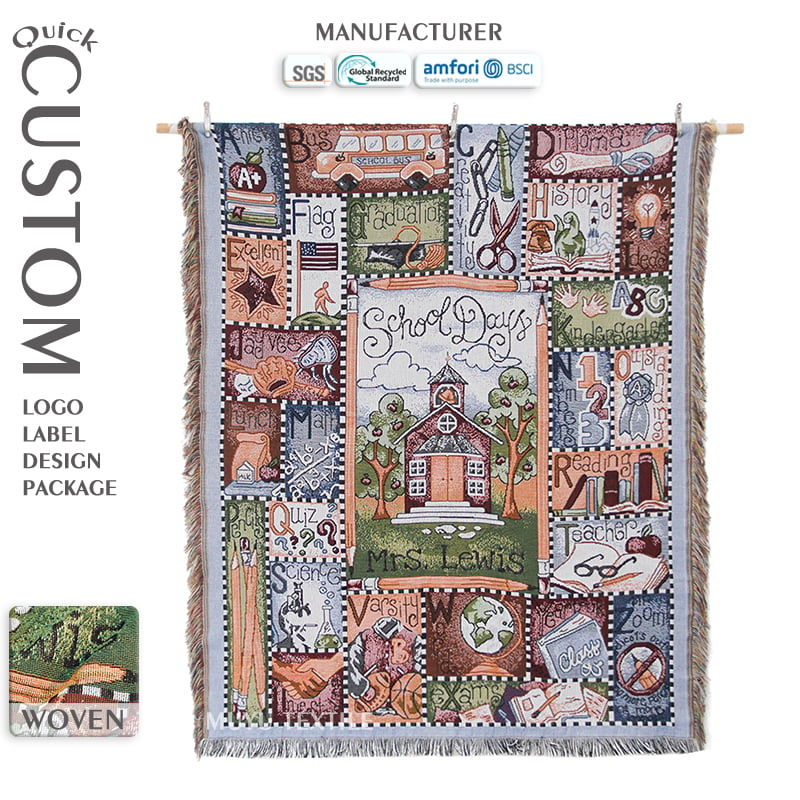
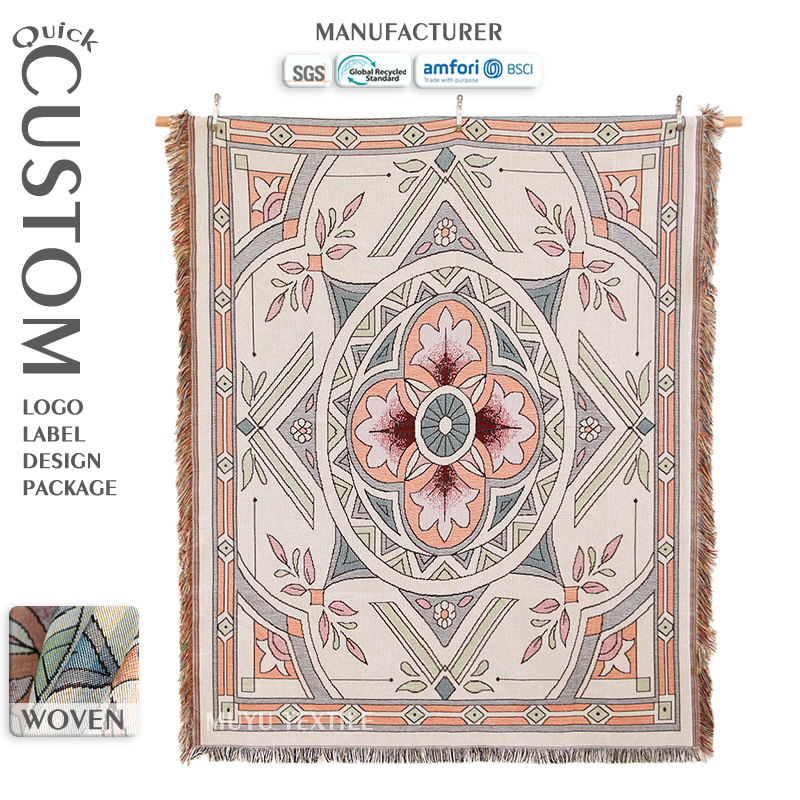
Sourcing premium fabric shopping bags for global retail distribution or large-scale promotional campaigns requires an exceptionally robust manufacturing infrastructure and deep textile expertise. Behind every consistent, impeccably crafted bag lies an advanced production ecosystem featuring precision yarn spinning, automated high-speed weaving looms, strict quality control inspection points, and eco-friendly dyeing facilities. This is precisely where Muyu delivers extraordinary value to international partners. By combining traditional weaving craftsmanship with state-of-the-art textile manufacturing technology, Muyu empowers global brands to scale their sustainable product lines efficiently and profitably. Whether businesses require customized dimensions, specialized heavy-duty weaves, organic cotton certifications, or bespoke branding solutions, partnering with Muyu guarantees uncompromised quality, reliable supply chain execution, and a formidable competitive advantage in the global sustainable packaging market.


 Hot News